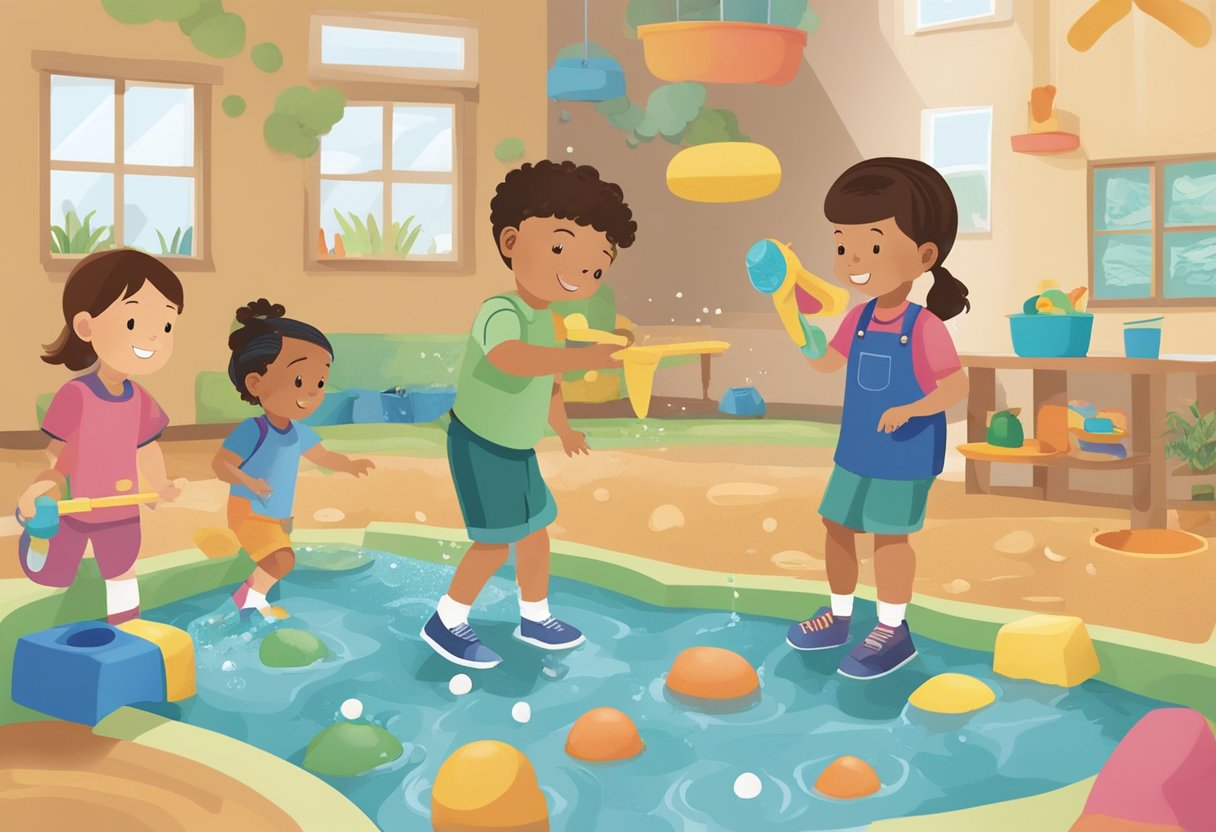
Fostering curiosity and sensory exploration is a vital part of early childhood development, as it lays the foundation for learning, creativity, and a lifelong passion for discovery. When children are encouraged to use their senses—touch, sight, hearing, smell, and taste—they begin to make sense of the world in a meaningful and personal way. Sensory experiences, such as feeling different textures, listening to nature sounds, smelling herbs or spices, or exploring light and color, stimulate brain development and enhance cognitive growth. These activities also support fine and gross motor skills, language development, and social-emotional learning. Curiosity-driven exploration helps children ask questions, test ideas, and develop problem-solving skills, all while building confidence and independence. By creating an environment rich in sensory opportunities—through open-ended materials, outdoor play, and hands-on learning—we empower children to explore at their own pace, follow their interests, and engage deeply with their surroundings. This approach not only supports academic readiness but also nurtures a child’s innate desire to learn and connect with the world.
Fostering curiosity and sensory exploration encourages children to actively engage with their environment, promoting deeper learning and development. Through hands-on experiences that stimulate the senses—such as touching different textures, listening to varied sounds, or exploring colors and scents—children build important cognitive, language, and motor skills. These sensory-rich activities spark curiosity, invite questions, and support creativity by allowing children to discover how things work and why. By offering a safe and stimulating environment filled with diverse materials and opportunities for exploration, we help children develop confidence, independence, and a lifelong love of learning.